NBC at San Diego Comic-Con
Gaslamp Quarter, San Diego · 2011–2018 · NBC — Agencies: Pop2Life & OA Experiential
How a broadcast network turned an annual fan event into an eight-year cliffhanger by treating its presence as the constant and its content as the question.
Most networks treat Comic-Con like a press tour. They show up with whatever they need to promote that July, build something disposable, and disappear until next year's slate gives them a reason to come back. The show gets the budget. The build gets whatever's left.
NBC came at it differently.
When we started with them in 2011, the brief was The Playboy Club — a stylized period drama set to premiere that fall. We took over Tin Fish on the Gaslamp peninsula, turned it into the Club, and ran it for the weekend. The show lasted three episodes before NBC pulled it.
They already had the same space reserved for 2012.
That single decision created the dynamic that defined the next seven years. Fans walked away from Comic-Con 2011 not knowing what NBC would do next. But they knew NBC would be there.
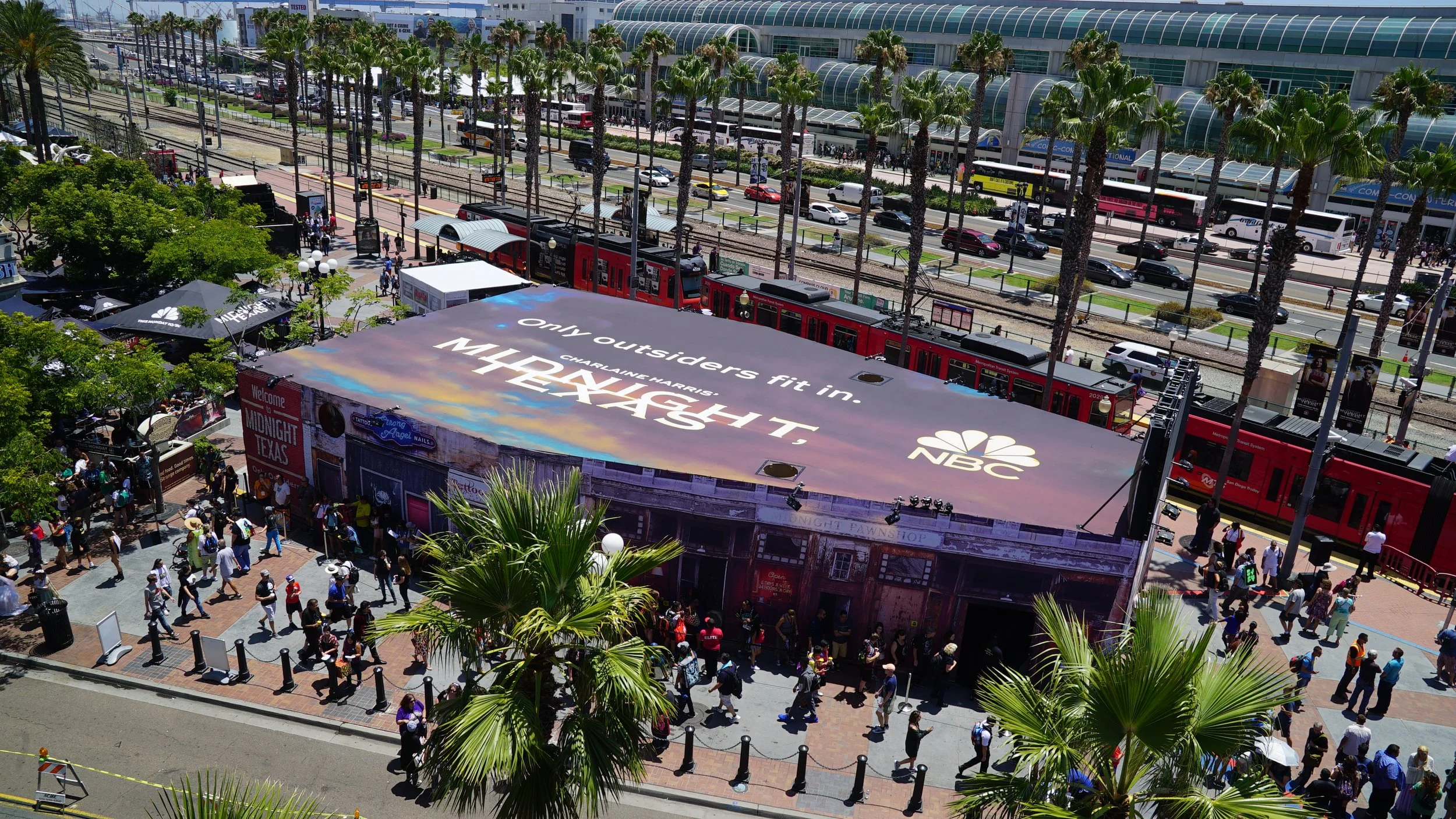
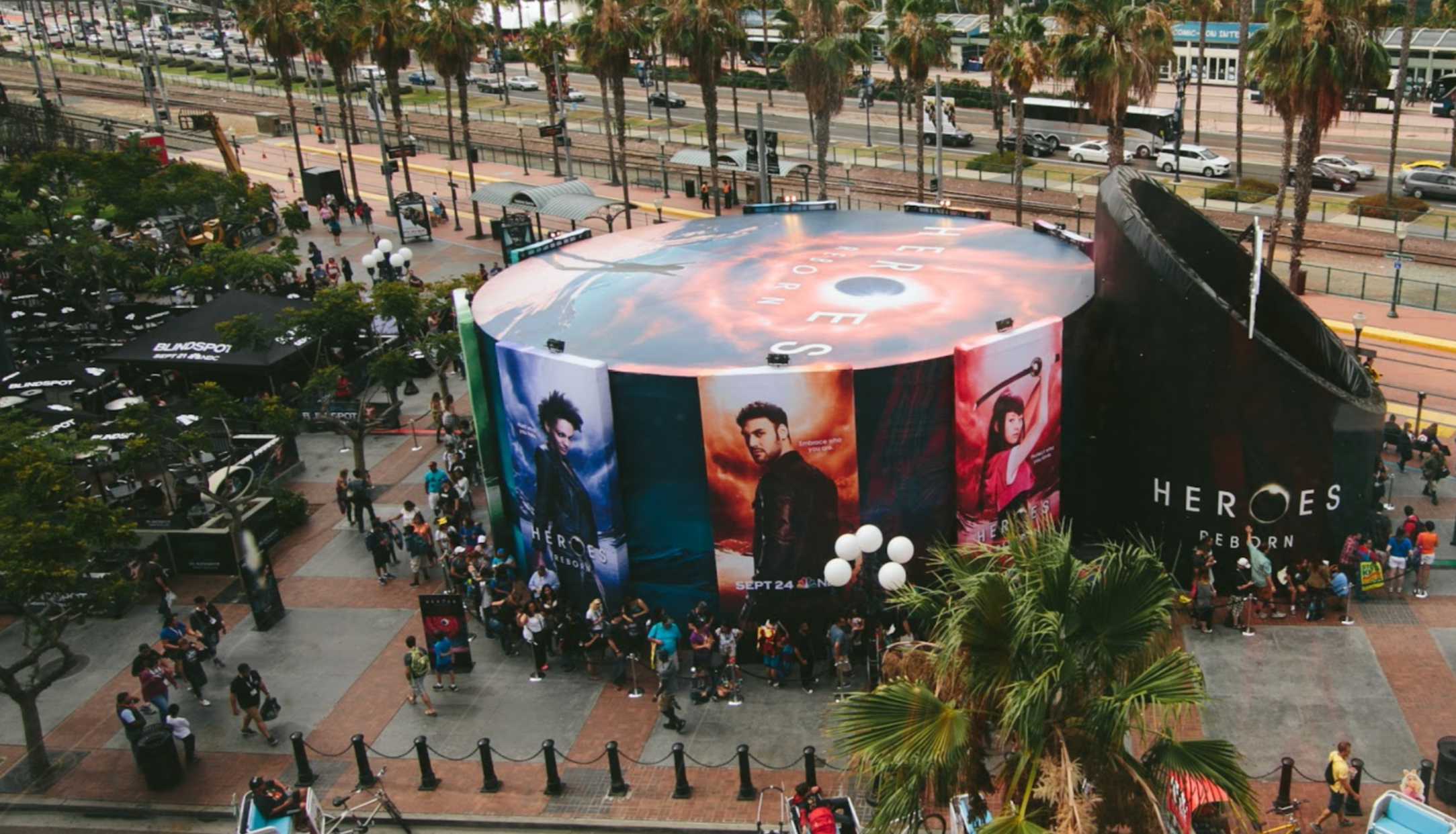
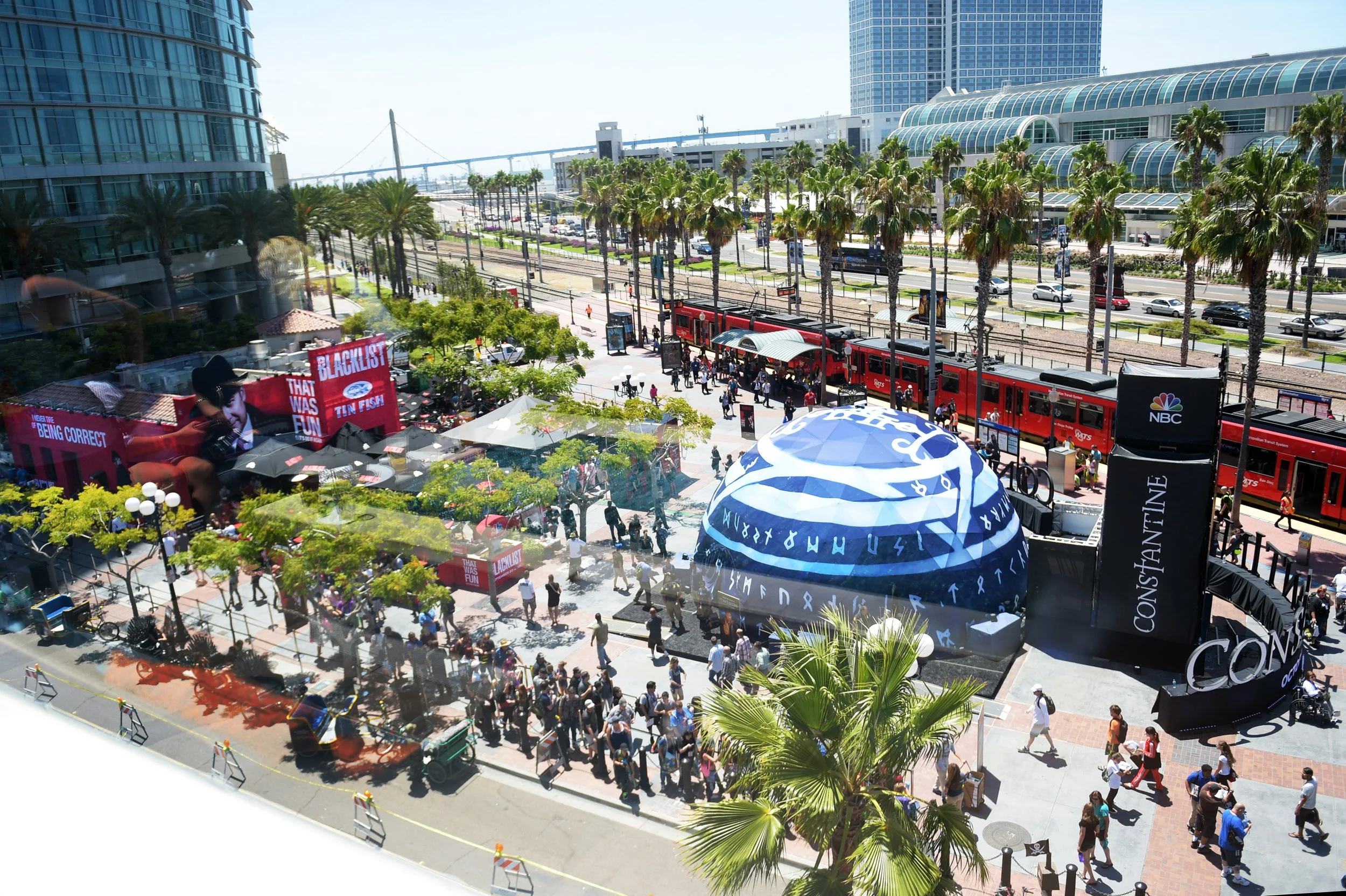
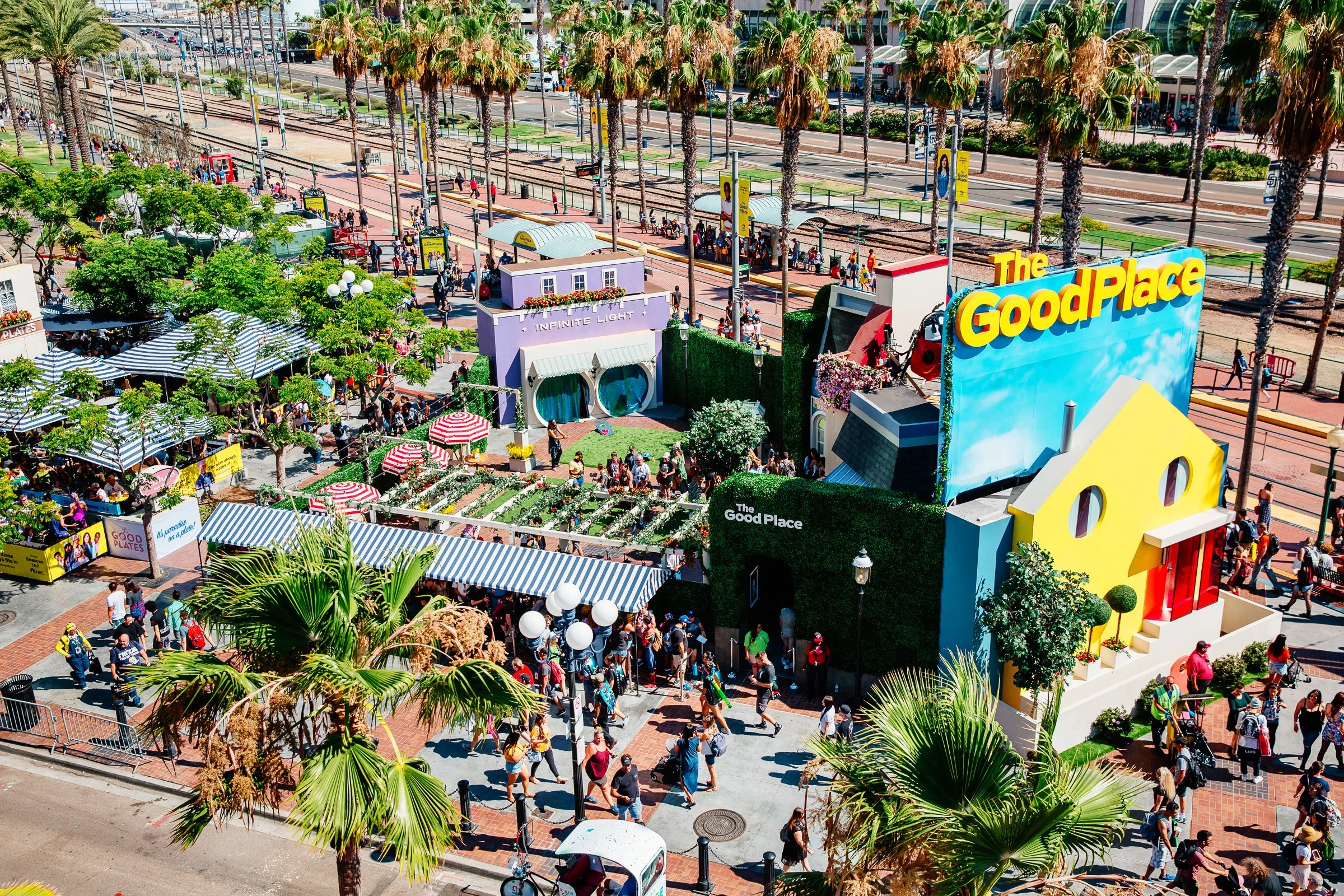
In 2012 it was Grimm and Revolution. In 2013, Dracula and The Blacklist. In 2014, Constantine. In 2015, Heroes Reborn. In 2017, Midnight, Texas. In 2018, The Good Place — staged again at Tin Fish, now reimagined as The Good Plates, seven summers after we'd first taken over the same restaurant for a show that didn't make it past Halloween.
Same network. Same footprint. A different question every July.
That question is what most brand experience strategies leave on the table. Comic-Con runs on anticipation. Two hundred thousand people return to the same four blocks every summer with muscle memory of where things were last year, hunting for what's new. The fans who'd waited in line for The Playboy Club had no idea Grimm was coming. The fans who walked through Dracula didn't know they'd be inside a Constantine séance the following July. Each year closed one loop and opened the next. The not-knowing was the engine.
This is what an Open Loop looks like at scale. Most brands close their loops too neatly — the campaign launches, the campaign ends, the audience moves on. The brands that earn return visits leave something unfinished. With NBC at Comic-Con, the unfinished thing wasn't a thread inside any single experience. It was the question of what would be inside the footprint next year. Fans started looking for the NBC presence at SDCC the way you look for a band's next album.
By 2018, NBC's presence at Comic-Con had stopped being something they did and started being something fans expected.
That's the part most CMOs we work with don't believe is achievable inside their tenure. They've been told experiential is a launch tool — get in, hit the number, get out. What NBC built across eight years was the opposite. A standing appointment. An annual answer to a question fans had learned to ask.
Most of the shows we activated for didn't make it. Playboy Club, Dracula, Constantine, Heroes Reborn — gone inside a season. The shows were temporary. The loop NBC opened in 2011 wasn't.
That's what every brand strategy at scale should be building toward. Not the launch. The return.